
How Much Does a Residential Elevator Cost in 2026? | Southeast Home Elevator Cost Guide
Homeowners considering an elevator often have one big question: How much does a residential elevator cost? In 2026, most home elevator projects range from approximately $29,500 to $80,000+, depending on the elevator type, number of floors of elevator access, customization options, and construction requirements. Understanding the factors that influence home elevator cost can help you plan your project and choose the right solution for your home.
Average Residential Elevator Cost in 2026
The average residential elevator cost in 2026 varies depending on the type of elevator you choose. Traditional Residential Elevators, such as Hydraulic and Winding Drum systems, typically start between $29,500 and $35,000 for a standard installation. Shaftless Elevators, including Pneumatic Vacuum Elevators and other specialty models, generally range from $50,000 to $85,000+.
While online pricing can provide a helpful starting point, the most accurate way to determine your home's elevator cost is with a personalized consultation from the experts at ROC Elevators. Our team evaluates your home's layout, accessibility needs, and design goals to provide a customized quote tailored to your project.
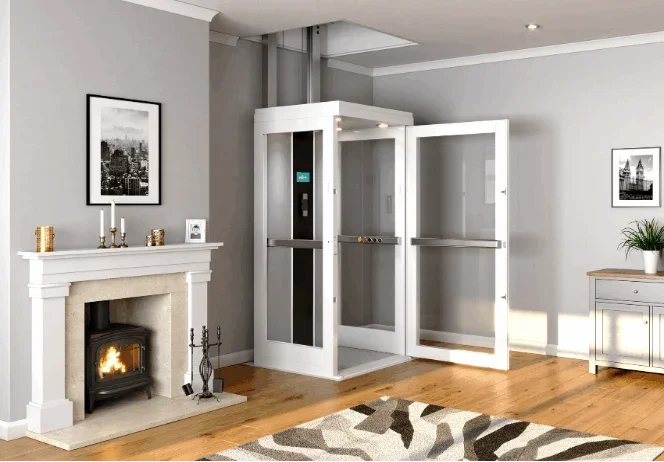
Traditional Residential Elevator installed in New Construction.
Typical Home Elevator Price Ranges
Traditional Residential Elevators
Typical Cost: Starting around $29,500–$60,000
Traditional Residential Elevators, including Hydraulic and Winding Drum systems, are the most common choice for homeowners and are an excellent option for new construction. When incorporated into the home's design from the beginning, they provide a seamless, long-term accessibility solution while offering the greatest flexibility for cab sizes, finishes, and customization.These elevators can also be installed in some existing homes. Homes with stacked closets often make excellent candidates because the space can sometimes be converted into a vertical hoistway with minimal impact to the existing floor plan.
Shaftless Home Elevators
Typical Cost: $50,000 - $85,000
Shaftless Residential Elevators are an excellent option for both new construction and many existing homes because they generally require less structural construction than a Traditional Residential Elevator.One important consideration is travel height. Many Shaftless Elevator models are designed to serve a limited number of floors. However, some freestanding or self-supporting shaftless systems can travel to additional levels without passing through occupied living spaces, making them a great solution for certain multi-story homes.
With their sleek design, smaller footprint, and reduced construction requirements, Shaftless Home Elevators are often chosen by homeowners who want an attractive accessibility solution with minimal impact on their existing home.
Luxury & Custom Home Elevators
Typical Cost: $60,000 - $100,000Luxury and Custom Home Elevators are an excellent choice for both new construction and existing homes. If you're looking to create more than just an accessibility solution, these Elevators can become a stunning architectural centerpiece that complements your home's design.
From all-glass elevator shafts and panoramic cabs to custom wood interiors, premium metals, and designer finishes, nearly every aspect of the elevator can be personalized. Whether your goal is a sleek, modern statement or a timeless, elegant design, the customization possibilities are virtually endless.
While Luxury Home Elevators represent a larger investment, they offer homeowners the opportunity to combine exceptional functionality with one-of-a-kind craftsmanship, creating a feature that is as beautiful as it is practical.
Outdoor Home Elevator
Typical Cost: $40,000–$70,000+
Outdoor home elevators provide full accessibility without taking valuable living space away from the interior of your home. They are an excellent solution for smaller homes, homes with multi-story decks, lake homes, and any property where adding an interior elevator would be difficult or require sacrificing usable square footage.
Designed specifically for outdoor environments, these elevators use weather-resistant materials and components built to withstand the elements while providing reliable year-round operation.
For many homeowners, an outdoor elevator offers the convenience of accessing every level of the home while preserving the existing interior layout. Instead of remodeling rooms or building a large interior hoistway, the elevator is installed on the exterior of the home, making it an efficient accessibility solution that maintains valuable indoor living space.
Is It Cheaper to Install a Residential Elevator During Construction?
Benefits of Planning Early
In most cases, yes. Installing a residential elevator during new construction is typically more cost-effective than adding one later. Planning ahead allows the builder to incorporate the necessary space, framing, and electrical requirements during construction, reducing the need for future modifications. Even if you don't plan to install an elevator immediately, designing your home to accommodate one in the future can help reduce installation costs down the road.
Retrofitting an Existing Home
Installing a residential elevator in an existing home is often possible, but the overall cost depends on several factors, including the home's layout, the amount of construction required, and the type of elevator selected. Different elevator systems have different space and installation requirements, which can influence both the construction needed and the overall project cost.
An onsite evaluation is the best way to determine which elevator options are best suited for your home and provide an accurate project estimate.
Long-Term Savings Considerations
Looking beyond the initial installation cost can help homeowners save money over the life of their residential elevator. Planning for an elevator during new construction can reduce future construction costs, while homeowners with an existing elevator can protect their investment through routine preventive maintenance. Addressing normal wear before it becomes a larger issue can help reduce unexpected repair costs and extend the life of the equipment. As technology continues to evolve, optional features such as remote monitoring and remote service capabilities may also help reduce unnecessary service calls by allowing certain issues to be diagnosed remotely.
What Factors Affect Residential Elevator Cost?
While residential elevator cost can vary across the country, several key factors ultimately determine your overall investment.
Number of Stops (Travel Height)
One of the largest factors affecting cost is the number of floors the elevator will serve. A two-stop elevator is typically less expensive than a three- or four-stop system because it requires additional rail, wiring, components, and installation time as travel height increases.
Cab Configuration
The layout of the elevator cab can also influence pricing. For example, a pass-through cab, where passengers enter from one side and exit from the opposite side, requires additional door openings and equipment compared to a standard front-entry design. Custom cab sizes and layouts may also increase the overall cost.
Finishes & Upgrades
The level of customization you choose can impact the final cost. Features such as premium fixtures, custom cab finishes, glass designs, automatic doors, and smart home integration can all increase the investment while creating a personalized elevator.
Structural Modifications Required
One of the biggest factors affecting the cost of a residential elevator is the amount of construction required. Homes designed with an elevator in mind often require less labor because the necessary space can be planned for during construction. In existing homes, the amount of modification varies depending on the layout, available space, and the type of elevator being installed.
A professional elevator company, like ROC Elevators, can evaluate your home, discuss your goals, and recommend the installation option that best fits your space and budget.
Local Building Codes and Permits
All residential elevator installations must comply with applicable elevator codes and local building requirements, whether in a new or existing home. New residential elevator installations also typically require permits, and permit fees vary by jurisdiction. These costs should be considered as part of the overall project budget.
Additional Costs Homeowners Should Consider
Permits and Inspections
Most new residential elevator installations require permits and inspections before the elevator can be placed into service. These requirements help ensure the elevator has been installed in accordance with applicable state and local codes and is approved for safe operation. Permit requirements, inspection processes, and associated fees vary by state and local jurisdiction and should be considered as part of the overall project budget.
Annual Maintenance
Like any mechanical system, residential elevators benefit from a service plan and routine maintenance to help keep them operating safely and reliably. Routine preventive maintenance helps identify normal wear before it develops into a more significant repair, reducing the likelihood of unexpected breakdowns and helping extend the life of the equipment.
To help homeowners protect their investment, ROC Elevators offers an Annual Maintenance Agreement that includes one annual preventive maintenance visit, priority scheduling for service calls, discounted service calls, and labor and parts discounts on qualifying repairs. A maintenance agreement helps keep your elevator operating at its best while reducing long-term ownership costs and providing added peace of mind.
Future Modernization Costs
Residential elevators are designed to provide many years of dependable service, but like any mechanical system, normal wear over time means certain components will eventually need to be repaired, replaced, or upgraded. While these costs are typically many years down the road, they are an important part of the overall cost of ownership.
When selecting a residential elevator, it's also worth considering the type of equipment being installed. Choosing reliable, non-proprietary equipment can make future repairs and modernization more straightforward and often more cost-effective, as replacement parts and qualified service providers are generally more accessible. Investing in quality equipment from the beginning can help reduce long-term ownership costs while extending the life of your elevator.
Does a Residential Elevator Increase Home Value?
While there is no guarantee that a residential elevator will increase the resale value of your home, it has been shown to add value and increase market appeal in many cases. The greatest benefit, however, often comes from planning ahead. Installing an elevator during construction is typically more affordable than adding one later, and it can help homeowners avoid costly renovations or the need to move if mobility needs change in the future. As accessibility and aging-in-place continue to become more important, a residential elevator can also make a home more attractive to buyers looking for long-term convenience and accessibility.
Get an Accurate Residential Elevator Cost for Your Home
Every home—and every elevator project—is different. While national averages can help you understand what to expect, the best way to determine your actual residential elevator cost is to evaluate your home, your accessibility needs, and the type of elevator that works best for your space.
Whether you're planning an elevator for new construction, exploring options for an existing home, or thinking ahead to make your home more accessible for the future, ROC Elevators can help you find the right solution for your home and budget. Our experienced team works with homeowners and builders throughout the Southeast to make the residential elevator process straightforward, from planning and product selection through installation and long-term service.
How to Get an Accurate Home Elevator Cost Estimate
Questions to Ask Before Requesting Quotes
Before requesting a quote, consider how many floors the elevator will serve, whether your home is new or existing, where you would like the elevator located, and any accessibility or design preferences you may have. Providing this information helps your elevator company recommend the right solution and prepare a more accurate estimate.
Why Site Evaluations Matter
No two homes are exactly alike, which is why an on-site evaluation is one of the most important steps in determining the cost of a residential elevator. A site visit allows your elevator contractor to evaluate the available space, identify any structural considerations, discuss installation options, and provide a more accurate project estimate based on your home's specific conditions.
Ready to Find Out What a Home Elevator Will Cost?
Schedule a consultation with ROC Elevators today. We'll discuss your project, evaluate your options, and provide a personalized estimate based on your home and goals.